
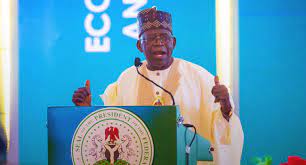
In a significant development, the Federal Government has announced that a New Minimum Wage structure will be implemented starting April 1, 2024, following the expiration of the current N30,000 minimum wage at the end of March 2024. The disclosure was made by the Minister of Information and National Orientation, Idris Mohammed, during an analysis of the 2024–2026 Fiscal Framework budgets.
The decision comes after President Bola Tinubu’s removal of the fuel subsidy on May 29, 2023, which led to the government’s agreement to pay N35,000 to each worker as a temporary measure to offset the subsidy’s impact. However, organized labor insisted that the N35,000 wage was a short-term solution and advocated for a comprehensive review in 2024.
Labor unions have confirmed the commencement of negotiations with the Federal Government, citing the country’s labor law that stipulates a minimum wage review every five years. Nigeria Labour Congress National President, Joe Ajaero, emphasized that the review was a legal obligation set to take place in 2024.
Minister Mohammed clarified that the enhanced take-home pay was intended to replace the temporary palliative and stressed the need for a committee, involving both the government and labor, to work on the new wage structure. With talks already initiated, a top official of the NLC affirmed the establishment of a national wage negotiation committee by April 1, 2024.
As the government prepares for the new minimum wage, an in-depth analysis of the 2024–2026 Fiscal Framework revealed that the Federal Government plans to allocate N24.66tn for salaries, overheads, and pensions, constituting 29.18% of the total budgets for the three years. The anticipated salary increases indicate a rise from N7.36tn in 2023 to N8.49tn in 2026.
Concerns arise over the bloated civil service, with calls for agency mergers and restructuring. The government’s spending on personnel costs and debt servicing exceeded total revenues in 2022, according to the World Bank. The fiscal deficit for the three years is projected to be N30.89tn, with the government citing a need for a salary review, increased pension obligations, and higher debt service costs.
In response to the budgetary allocation, the House of Representatives condemned the alleged over-bloated personnel cost in the 2024 budget, urging the Independent Corrupt Practices and Other Related Offences Commission to summon ministries, departments, and agencies for audits. The Senate President, Godswill Akpabio, announced that the appropriation bill would undergo a second reading on Friday.
As the nation navigates economic challenges, the budget proposal reflects President Tinubu’s commitment to addressing infrastructural deficiencies and boosting economic growth, emphasizing the importance of efficient budget implementation and fiscal responsibility. The impending minimum wage increase is poised to impact the lives of millions of Nigerian workers, ushering in a new era in labor compensation.
For more news visit https://arritoneconsult.com.ng/blog
For more educational post visit examhood.com.ng