
The Major Oil Marketers Association of Nigeria (MOMAN) has highlighted the impact of foreign exchange rate fluctuations on the cost of Premium Motor Spirit (PMS), commonly known as petrol, resulting in a significant N100 per liter increase in prices for imported fuel. Mr. Olumide Adeosun, Chairman of MOMAN, shared this insight during a webinar interactive session with the media.
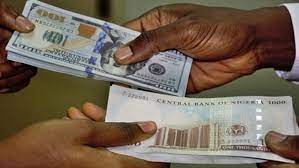
Adeosun explained that the recent surge in petrol prices across the country was attributed to an upward swing in the Investors and Exporters (I&E) window, with the exchange rate approaching N825 to the US Dollar. This devaluation of the local currency added N100 to the cost of importing a single liter of PMS into the country, leading to the inevitable increase in pump prices.
To shed light on the price stability of PMS in recent months, Adeosun referred to Platts’ reports, indicating a price of $827 per metric ton (MT) on May 30, 2023, and $859.25 per MT on July 14, 2023. However, he emphasized that the foreign exchange rate had witnessed a significant increase during this period, leading to the subsequent cost escalation.
MOMAN expressed its continued support for the policy of deregulation in the petroleum industry, advocating for a transparent and level playing field where fuel stations accurately reflect cost-reflective prices in a liberalized market. The association recognized the challenges faced by the Nigerian public and extended its empathy to citizens amid these economic dynamics.
According to MOMAN, the international price of crude oil and the exchange rate constitute the major components of the cost build-up for PMS, accounting for over 80 per cent, while the remaining 20 per cent comprises statutory dues, distribution costs, and margins.
As the process of deregulation progresses, MOMAN emphasized the need for government entities, employers, and local authorities to implement palliative measures that support vulnerable individuals currently facing economic hardships. The association called for transparent engagement with the public and the establishment of trust to foster fair competition and ensure value for customers at the fuel pumps.
MOMAN commended the authorities for taking urgent steps to open the market, allowing various players to import petroleum products into the country. While the liberalization and level playing field promise enhanced efficiency and competitive pricing choices for the public, challenges remain, particularly in accessing foreign exchange for imports and ensuring fair pump prices. Adeosun stressed the importance of mitigating the financial risks faced by marketers engaged in petrol imports, ensuring a level playing field in accordance with the Petroleum Industry Act to prevent any entity from gaining an unfair advantage.
In conclusion, MOMAN’s observations shed light on the interplay between foreign exchange rate fluctuations and the price of petrol in Nigeria. The association’s support for the deregulation policy and advocacy for transparency and palliative measures underscore the complexities of navigating the fuel market amid economic challenges. As the government seeks to foster fair competition and efficiency in the petroleum industry, measures to address foreign exchange access and pricing parity will be critical in ensuring a sustainable and equitable fuel market for all stakeholders and consumers.
for more news visit https://arritoneconsult.com.ng/blog/wp-admin
for more educational post visit examhood.com.ng