
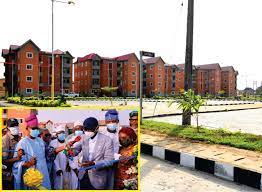
Urgent Government Intervention Needed the pressing issue of housing shortage in Nigeria has now escalated to a critical level, prompting many urban residents to face a difficult decision: relocate to rural areas or brace themselves for the steep surge in accommodation prices. As the crisis intensifies, Mr. Sulaimon Yusuf, the National President of the Building Collapse Prevention Guild (BCPG), has stressed that the solution lies in government intervention within the real estate sector. He identifies factors such as land acquisition and infrastructure development as key contributors to the escalating cost of housing.
Mr. Yusuf emphasizes the pivotal role that the Federal Housing Authority (FHA) and the Ministry of Housing play in addressing this crisis. He highlights the Ministry’s initiative of allocating land to consultants for housing projects across states, which has yielded positive results in some areas. Urgent Government Intervention Needed this partnership-driven approach has facilitated housing provision in states that have allocated land, particularly through Private Partnerships Projects (PPP).
To alleviate the housing crisis, Mr. Yusuf underscores the importance of state governments participating actively by providing land for construction and facilitating infrastructure development in these areas. He bemoans the lack of comprehensive data on Nigeria’s housing deficit, emphasizing that accurate information about the population, their location, and housing needs is crucial for addressing the issue effectively.
Mr. Yusuf explains that assessing the extent of the housing shortfall requires a systematic approach, starting with comprehensive data collection. The lack of such data has led to an environment where individuals and developers rush to purchase land without a clear understanding of the actual housing demand. He points out the discrepancies in construction rates between cities like Lagos, where housing demand is particularly high due to economic opportunities, and other urban centers such as Ibadan, Akure, and Abeokuta.
The divergent rates of construction and development highlight the unique dynamics of the housing crisis across different regions. In Lagos, for instance, the profit potential of real estate has driven rapid construction, with developers capitalizing on the city’s economic magnetism. This has led to the proliferation of housing projects, including duplexes and flats, in areas like the Lekki corridor.
However, Mr. Yusuf also highlights a critical aspect of the issue: the majority of those who engage in housing construction are not from the demographic that faces housing deficits. The developers targeting high-profit areas like Lagos are often seeking quick returns on their investments, contributing to an oversupply of luxury housing units while failing to address the pressing needs of the lower-income population.
In the face of this complex and multifaceted crisis, the Building Collapse Prevention Guild (BCPG) and concerned experts are advocating for the Nigerian government’s urgent intervention. By focusing on comprehensive data collection, strategic land allocation, and infrastructure development, policymakers can take crucial steps toward mitigating the housing crisis, ensuring equitable access to affordable housing for all Nigerians. The looming housing crisis poses a significant challenge, one that requires a collaborative effort involving government agencies, developers, and community stakeholders to pave the way for a more sustainable and inclusive housing sector in the country.
for more news visit https://arritoneconsult.com.ng/blog/wp-admin
for more educational post visit examhood.com.ng