
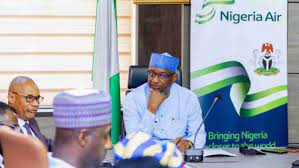
Festus Keyamo, the Minister of Aviation and Aerospace Development, has assured the Federal Government’s commitment to implementing policies that will support domestic airline operators. Keyamo encouraged local carriers to play their part by upgrading their fleets to enhance passenger comfort.
In a recent meeting with the Air Operators of Nigeria (AON), led by its chairman, Abdulmunaf Yunusa, the Minister of Aviation emphasized the importance of domestic airline operators working together to strengthen their capital base and enhance service quality. The statement from the ministry’s Head of Publicity and Media, Mr. Oluseyi Odutayo, highlighted the government’s readiness to facilitate the growth of local airlines, recognizing their vital role in advancing the aviation industry.
Keyamo also discussed the possibility of revising the existing Bilateral Air Services Agreement (BASA) arrangements with foreign countries. He pledged to present recommendations to the government for enabling local airlines to access funding at low-interest rates, along with foreign exchange support to meet international financial obligations.

The minister’s commitment to an “open door policy” was evident during the meeting. He encouraged stakeholders to communicate their challenges, fostering transparency and cooperation between the government and airline operators. This approach aims to provide a clearer understanding of the aviation industry’s current status and its prospects for improvement.
Previously, the AON had called upon the Federal Government to initiate comprehensive reforms in the aviation sector. Among the recommendations were the cancellation of the eighth and ninth ‘freedom of free’ flights granted to foreign airlines operating in Nigeria.
During their meeting with Minister Keyamo, the AON detailed the sector’s challenges and proposed solutions. These challenges included foreign exchange shortages, jet-A1 fuel scarcity, inadequate infrastructure, high capital costs, limited funding options, government policies, numerous taxes, fees, and charges, the absence of a local aircraft maintenance, repair, and overhaul (MRO) facility, and the continued operation of cabotage services by foreign airlines.
The aviation industry in Nigeria is at a critical juncture, facing multifaceted challenges. While the government is committed to supporting domestic airline operators, the industry and authorities must work collaboratively to address these issues and drive the sector’s growth, ensuring a stronger and more competitive aviation landscape in the country.
For more news visit https://arritoneconsult.com.ng/blog
For more educational post visit examhood.com.ng