
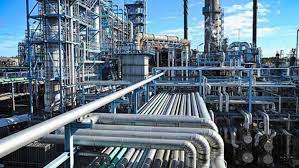
In a high-stakes meeting held on Wednesday, the Federal Government Calls for a critical step to address the mounting concerns regarding the shortage of crude oil for domestic refineries. The nation’s ability to meet its domestic crude obligations and boost refining capacity took center stage in the discussions, with officials warning that failure to do so would be a matter of national shame.
Federal Government Calls: The Chief Executive of the Nigerian Upstream Petroleum Regulatory Commission, Gbenga Komolafe, delivered this message during the meeting with domestic refinery operators in Abuja. The focus of the meeting was to devise a strategic plan to ensure the country’s largest refinery, the 650,000 barrels per day Dangote refinery, receives the necessary crude oil to begin operations.
Mr. Komolafe emphasized the urgency of the situation, stating, “It will be a matter of national shame if we cannot meet the feedstock requirements of the Dangote refinery.” He called on all stakeholders to collaborate and work towards transforming Nigeria from a net crude oil exporter to a net exporter of refined petroleum products.

One of the key initiatives discussed at the meeting was the request made by the Nigerian Upstream Petroleum Regulatory Commission to crude oil producers. They asked these producers to provide detailed information on the volumes of committed and uncommitted crude oil in their domains. However, Mr. Komolafe expressed disappointment that some producers had yet to comply with this request.
The availability of this information is critical to assess whether the non-committed volumes can meet the nation’s current domestic feedstock requirements. Mr. Komolafe stressed that understanding this data is essential to achieving the goal of making Nigeria a net exporter of refined products.
Nigeria, with approximately 38 billion barrels of crude oil reserves, is blessed with abundant natural resources. However, despite its significant reserves, the country remains a net exporter of crude oil and a net importer of refined products. This situation has taken a toll on the nation’s economy, as evidenced by the substantial under-recovery costs incurred during the fuel subsidy regime.
The importance of domestic crude refining was underlined as Mr. Komolafe explained that increasing domestic refining capacity would have a positive impact on the prices of refined petroleum products. By addressing these issues, Nigeria can potentially mitigate some of the additional costs associated with pricing these products.
In conclusion, the meeting convened by the Nigerian government signifies a critical turning point in the nation’s efforts to bolster its domestic refining capabilities and transition to a net exporter of refined products. The collective collaboration of industry stakeholders and the timely response from crude oil producers will play a pivotal role in reshaping Nigeria’s energy landscape and its economic future.
For more news visit https://arritoneconsult.com.ng/blog
For more educational post visit examhood.com.ng