

Over the past four months, the Nigerian Naira’s Depreciation Sparks over 50 percent against both the official and parallel market segments. This decline followed the Central Bank of Nigeria’s (CBN) decision to consolidate all foreign exchange (FX) windows into the Nigerian Autonomous Foreign Exchange Market (NAFEM), previously known as the Investors and Exporters’ window. The move aimed to boost liquidity, enhance market stability, and attract foreign investors to the Nigerian economy.
Initially hailed as a well-intentioned and necessary policy, the impact of this decision has put extra pressure on the local currency and manufacturers, resulting in ripple effects on domestic prices.
In response to these challenges, the CBN, under the leadership of Dr. Olayemi Cardoso, pledged to increase the supply of FX. As a sign of its commitment, the apex bank eliminated long-standing foreign exchange restrictions on the importation of 43 specific items. This move initially led to a 2.3 percent increase, closing at N759.20/$1.
However, shortly afterward, the Naira’s Depreciation Sparks retreated, reaching an all-time low of N1,210/$1 in the parallel market while closing at N793.34/$1 at NAFEM. This significant disparity between the official and parallel markets widened the arbitrage gap to N416/$1, reflecting substantial pressure in both segments. A glimmer of hope appeared as the Naira demonstrated resilience in the parallel market, appreciating for five consecutive days, closing at N1,110/$1 on October 30, 2023.
Despite this improvement, the official I&E window saw depreciation, closing at N993.82/$1, but the gap between the markets reduced to N117/$1.
Analysts noted that the CBN’s strategy of lifting restrictions on the 43 items played a crucial role in shaping the Naira’s trajectory. However, they stressed the need to address unethical practices in the FX market that hinder the supply of FX. Lai Omotola, CEO of Confederated Facilitators Ltd, called for collaboration between the government and the CBN to tackle these challenges more aggressively.
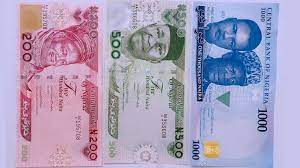
Omotola emphasized that it’s crucial to identify the market leaders responsible for creating disparities between the official and parallel market rates, including bulk buyers and speculators posing as manufacturers. He argued that eliminating these unethical practices is essential to defend the Naira effectively.
Professor Pat Utomi, a Political Economy and Management expert and Founder of the Centre of Values in Leadership, underscored the need to boost confidence in the national currency. He suggested reducing policy bottlenecks, focusing on processing and supplying raw materials, utilizing the country’s mineral resources, and supporting manufacturing industries through favorable policies.
The current Naira situation presents a unique challenge, and credit was given to the Federal Government and the CBN for their handling of the situation. However, addressing unethical practices and ensuring ethical market conduct are crucial steps towards stabilizing the FX market and promoting sustainable economic growth in Nigeria.
For more news visit https://arritoneconsult.com.ng/blog
For more educational post visit examhood.com.ng