
It is very common to feel stuck, tired, or uninspired, but progress can still be made when you know how to build discipline when you feel unmotivated. Instead of waiting for the perfect mood, small consistent actions can be used to move you forward.
If you also struggle with staying focused while studying, you can read my post on smart study hacks.
1. Why Learning How to Build Discipline Matters More Than Motivation
Motivation is felt as a temporary emotion, but discipline is formed as a daily habit. When this difference is understood, action can be taken even when energy is low. The main question shifts from “Do I feel like it?” to “How can I build discipline with one small step right now?”
Example: How to Build Discipline as a Student
Imagine a student who keeps waiting to “feel ready” before reading. Days pass and nothing is done. One day, the student decides to stop waiting for motivation and simply reads for 10 minutes after dinner, whether the mood is there or not. After a week of doing just those 10 minutes daily, the student feels less guilty, more in control, and often ends up reading longer. This is a simple picture of how to build discipline through small, repeated actions.
2. How to Build Discipline With Small, Simple Steps
Many behavior experts have shown that building discipline is easier when you focus on small, consistent habits instead of waiting for motivation to appear. When you feel unmotivated, big goals can look scary. To build discipline when you feel unmotivated, tasks can be broken into tiny actions like reading for 10 minutes or solving 3 questions. Small steps reduce pressure and make it easier to start, and starting is often the hardest part.
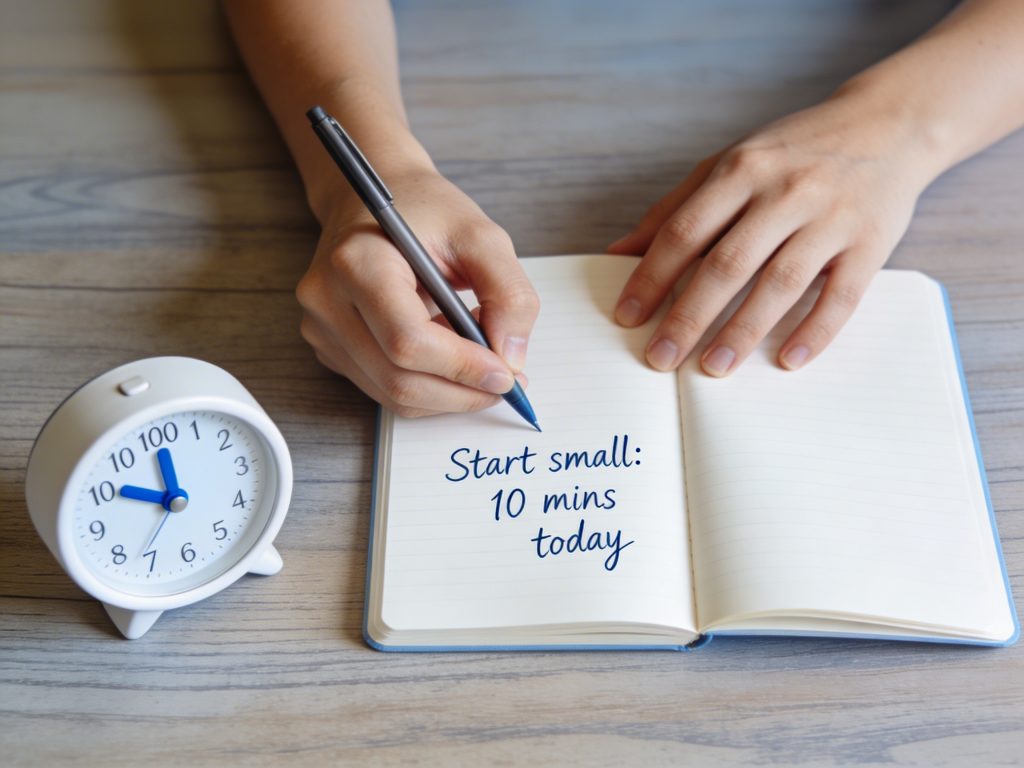
3. Create One Daily Non‑Negotiable
One simple habit can be chosen and done every day, whether motivation is felt or not. It could be 10 minutes of study, journaling, or a short walk. Each time this non‑negotiable is completed, a promise to yourself is kept, and discipline is quietly strengthened.
4. Adjust Your Environment
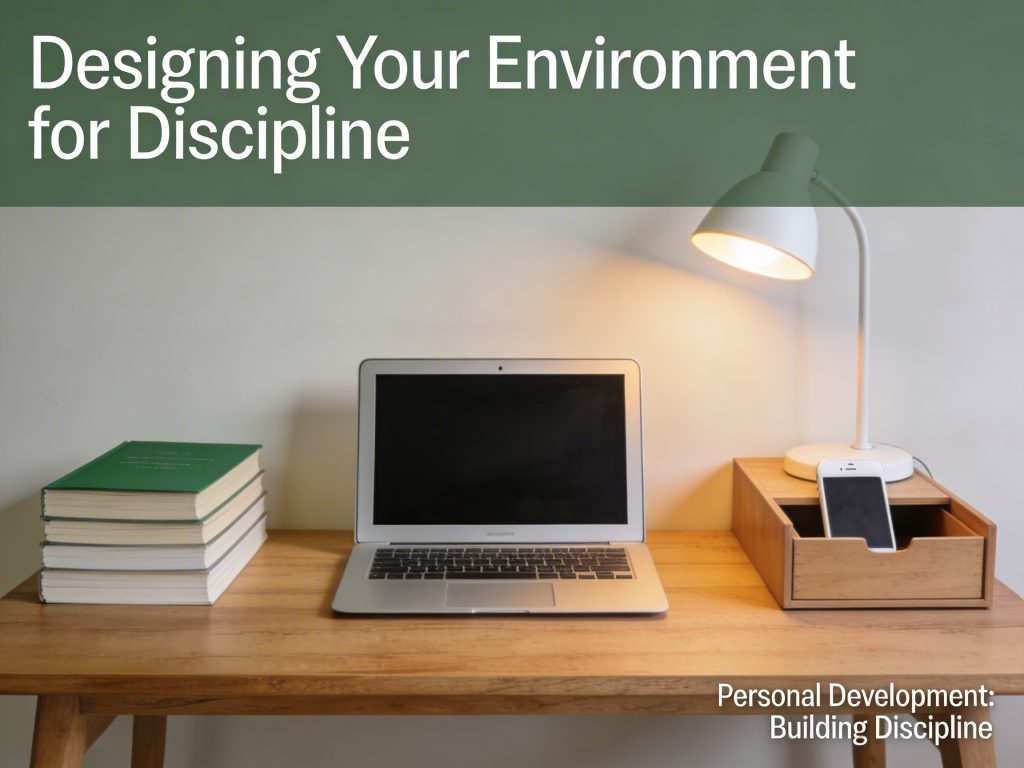
When willpower is weak, environment can be used to support discipline. Your phone can be placed away from your study area, social apps can be logged out of, and your books can be arranged on the table before you start. When the right action is made easier than distraction, less self‑control is needed.
5. Use Light Routines
Simple routines can guide you on days you feel unmotivated. For example, “after dinner, I read,” or “after 8 p.m., I plan tomorrow.” When actions are tied to specific times, less energy is spent deciding what to do, and consistency becomes easier to maintain.
6. Lower the Pressure, Not the Habit
On tough days, a lighter version of your usual task can be done instead of skipping it. Five minutes of effort is better than none. By keeping the habit alive, even in a small way, discipline is protected and allowed to grow over time.
FAQ on Discipline and Motivation
1. Is discipline possible without motivation?
Yes, discipline is mainly built without motivation. It is created when actions are taken repeatedly, even when you do not feel like it. Motivation may help you start, but discipline is what keeps you going.
2. How long does it take to build discipline?
There is no single fixed timeline, but small consistent actions done daily for several weeks usually create noticeable change. For many people, a habit feels more natural after about one to two months of regular practice.
3. What if I keep failing to stay consistent?
Failure is part of the process. Instead of giving up, the habit can be made even smaller, the environment can be improved, or the routine can be simplified. Each time you start again, you are still training yourself to return, and that itself is a form of discipline.
Discipline is not built on perfect days; it is built on ordinary days when you feel unmotivated but still take a small step. If only one thing is done today, let it be a tiny action that your future self will be grateful for.